Most nonprofits say community engagement matters. Few define what it should look like. Engagement is not a post here and there, one event, or being on numerous social channels. It is the steady work of making your mission visible, accessible, and understood.
The steady work is not easy, especially during these times of funding cuts and other external pressures. The changes emphasize the importanceimportance of engaging your audience. When resources are tight, clear communication and consistent visibility protect trust, connections, and community support.
If you want mission or program growth in 2026, then you need a clear strategy that guides every action. Remember this and don't confuse the two:
- Strategy sets direction.
- A plan shapes the steps.
Without both, your activities become a giant bowl of guesswork. For small and mid-sized nonprofits, where time is tight and the pressure is real. This is why clarity matters. It's going to lay the groundwork and save time, not add to it.
2026 is still young, so it's not too late. Here is what strong engagement requires:
- Start With Strategy Before You Plan Anything
Do not begin with content. Begin with purpose. Strategy sets the direction.
Ask:
- What outcome matters most?
- Who needs to act?
- Why should they act?
Most engagement struggles start here. Unclear strategy = scattered, hard-to-manage work.
People respond to what they can see and understand.
Show:
- Program activity
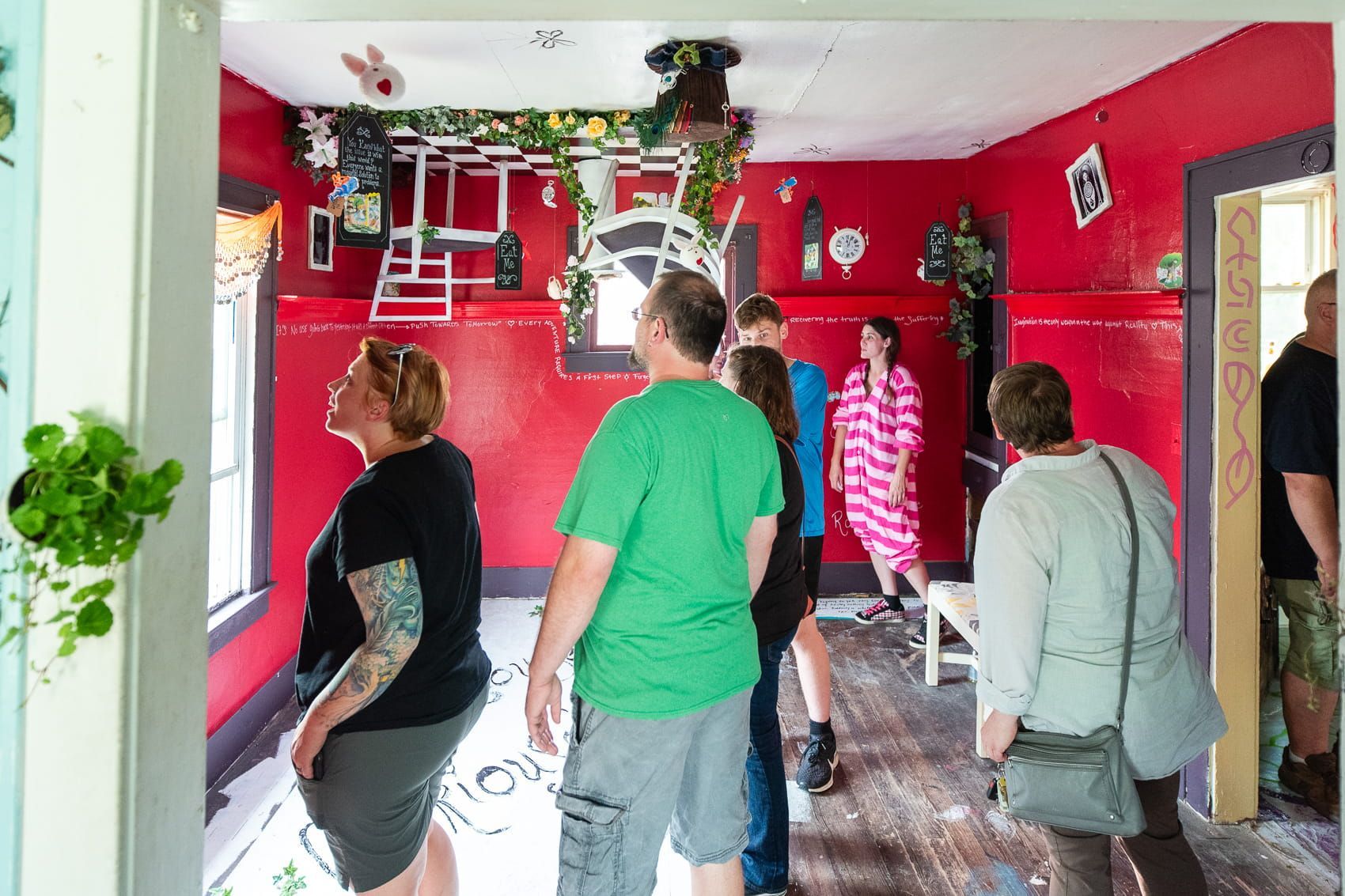
- Real people and real places, not stock photos or AI
- What changed because of the work
- Action the community recognizes
Visibility builds trust. Trust drives participation.
- Use the Right Channels for the Right Purpose
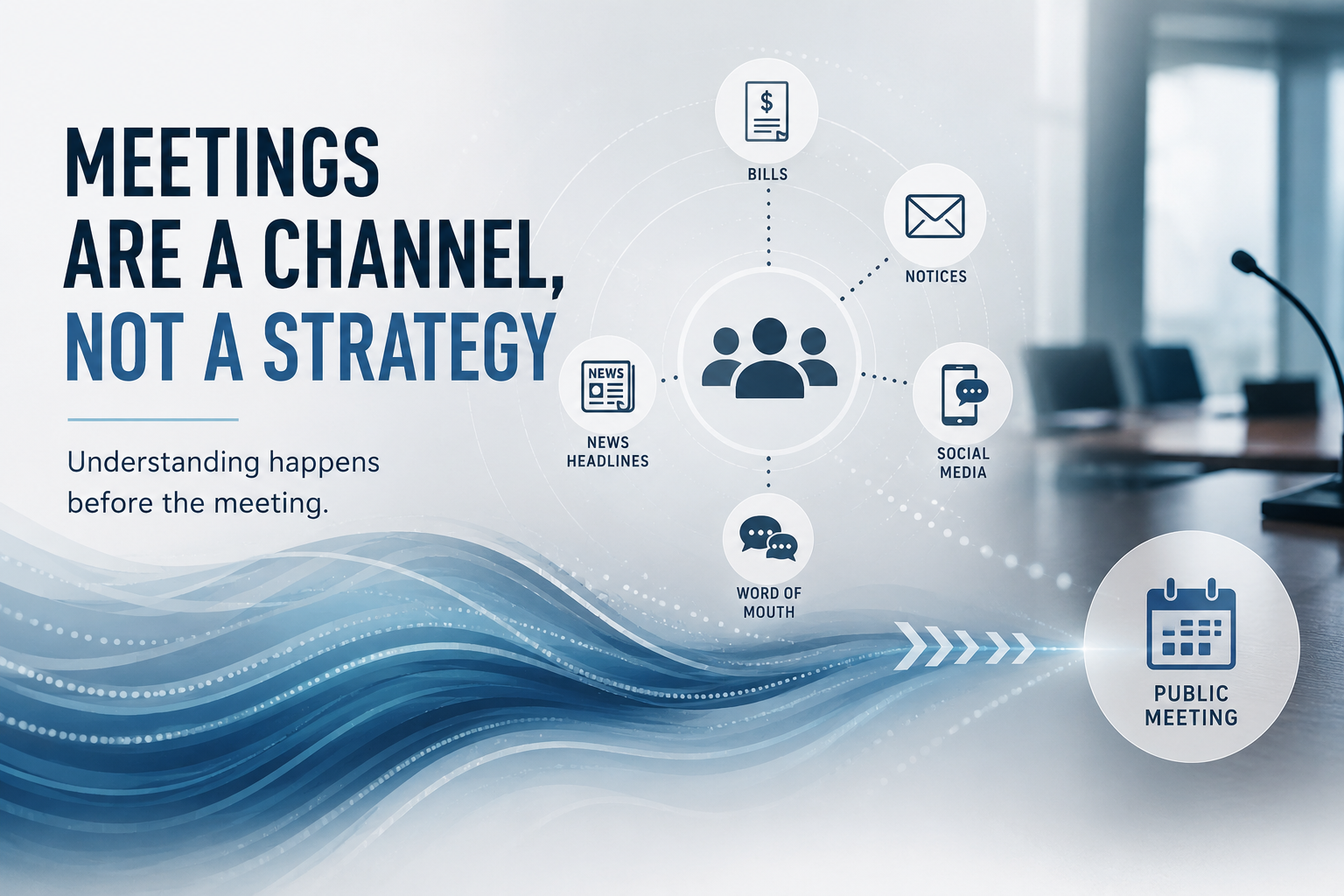
Each channel has a job.
- Facebook: local reach and conversation
- Instagram: visual stories and recognition
- Email: detail, updates, and follow-through
- Website: clarity and credibility
Use the proper channels. Be where your audience is. Be intentional.
A quiet channel signals an organization with little or no activity
Share:
- Weekly content
- Monthly priorities
- Quarterly goals
Set a pace your team can sustain, then stick to it.
- Keep Messages Clear and Actionable
When messages confuse people, they stop paying attention.
Include three things in every message:
- What they need to know
- What you want them to do
- Why it matters
Clarity saves your team and your audience time. Organized confusion creates headaches.
- Strengthen Visual Quality
How your work looks shapes how people respond.
Focus on:
- Clean design
- Consistent branding
- Real photography
- Readable formats
You don't need high-end production. You need clean, consistent visuals people can read and trust.
- Measure What Guides Decisions
Track only what helps you act.
Vital:
- Registrations
- Email sign-ups
- Website clicks
- Partner shares
Fewer metrics lead to clearer decisions. Avoid vanity metrics.
When funding is tight, you cannot afford random outreach. Start with strategy. Decide what matters most, then build a plan that protects visibility and trust.
Small and mid-sized nonprofits rarely have time to build a strategy while running programs and managing operations. Patchwork marketing wastes time and often stalls progress.
Our job here is to clarify your engagement strategy and turn it into a simple plan your team can run, with support where it makes sense.