


“We need 1,500 people to participate in the program.” “We need more eligible residents to complete their applications.” “We need 500 registrations for our upcoming event.” These all sound like marketing goals. But before anyone starts discussing social media, advertising, videos, email campaigns, or creative concepts, leadership should ask a more fundamental question: What will that result reasonably cost? Marketing and money are often discussed in separate conversations. Leadership establishes the goal. Someone approves the budget. Then the marketing team or agency gets asked to make the two work together. I think that conversation is backward. A marketing budget should reflect what you are trying to accomplish, the resources available, and a realistic assessment of what it will take to produce the desired result. That doesn't mean every outcome has a predictable price. It means the goal and the money should be part of the same conversation. Start With Participation, Not the Campaign Suppose a public agency needs 1,500 people to participate in a new program. Before deciding how to promote it, we need to clarify what participation means. Does someone count as a participant when they complete an application? When they attend an orientation? When they receive a service? Or when they complete the program? These outcomes differ and may require varying levels of effort, resources, and follow-up. Consider a hypothetical scenario: an organization spends $30,000 on outreach and generates 1,000 completed registrations. That works out to $30 per completed registration. Is $30 a good result? Maybe. The calculation is useful, but it doesn't tell us whether the marketing investment was successful. If the original goal was 1,500 participants, the organization is still short of its target. We also need to know whether the people who registered were eligible, how many actually participated, and what happened after registration. A completed registration is not necessarily a completed program outcome. That distinction matters when leadership decides whether to continue spending, change direction, or approve another campaign. A Low Cost Doesn't Always Mean a Better Result Marketing professionals often report impressions, clicks, website visits, engagement, and registrations. Those numbers tell us something about the work. They help us understand whether people are seeing and responding to a campaign. But they don't always tell leadership what it needs to know. In July 2026, the U.S. Government Accountability Office addressed this issue in its examination of federal program performance. The report distinguishes between resources spent, activities completed, and the actual outcomes programs are supposed to achieve. The same distinction belongs in a marketing conversation. A campaign that generates 1,000 registrations may look successful on paper, but what if only a small portion of those registrations result in actual participation? Or consider a program designed to serve residents who face barriers to accessing information or completing an application. Reaching those residents may require more than digital advertising. The organization might need direct outreach, community partners, printed materials, or personal assistance. That could increase the cost per completed registration. Does that make the campaign unsuccessful? Not necessarily. A lower cost per registration isn't automatically a better outcome if the less expensive approach fails to reach the people the program is meant to serve. The real question is whether the money is helping the organization achieve its intended outcome. What Should It Reasonably Cost? This is where the marketing conversation becomes more useful. If your organization needs a specific number of people to register, enroll, apply, or participate, we should begin by examining what it has taken to produce those results in the past. What did previous outreach efforts cost? How many people responded? How many completed the required action? Where did people lose interest or encounter difficulty? Those answers give leadership a starting point for estimating what the next effort might require. Past results aren't a guarantee. The audience, program, timing, and available resources may differ. But they are more useful than selecting a budget without understanding the work. We also need to look beyond advertising expenses. Who will respond to inquiries? Is the registration process clear? Can staff handle the expected volume? Are people receiving the information needed to take the next step? The CDC's Program Evaluation Framework encourages organizations to assess resources, program costs, audience reach, and progress toward desired outcomes when evaluating public health programs. That approach is useful for marketing management, too. Advertising might generate interest, but if the application process is confusing or no one follows up with interested residents, spending more on promotion might not solve the problem. Maybe marketing isn't the problem at all. Determining that before spending another dollar is valuable. Sometimes the Budget Isn't Going to Change Sometimes the marketing isn't failing. The expectation is unrealistic. An organization might set an aggressive participation target and allocate a budget that is unlikely to support it. A responsible marketing strategist should be willing to say so before the money is spent. But public agencies and funded programs don't always have the option to increase their budgets. Leadership may already know how much money is available for outreach. That doesn't make the outcome conversation any less important. It makes it even more important. If your organization has $20,000 available, we still need to understand what you're asking that money to accomplish. Can the proposed approach reasonably achieve the desired number of participants? Are there existing communication channels or community partners that can help? Does the timeline allow enough time for people to respond? If the available resources don't support the original expectation, leadership may need to reconsider the scope, timeline, priorities, or target participation. There may also be minimum requirements the program cannot compromise. Those need to be part of the decision. The answer isn't always to spend more. Sometimes the better decision is to revise the plan before launching a campaign unlikely to meet its objective. Marketing Needs a Seat at the Financial Table Marketing is a management responsibility. It shapes how people learn about services, understand programs, respond to outreach, and participate in opportunities intended for them. That work requires resources, and leadership should understand what those resources are expected to accomplish. A program director, department head, executive director, or board member eventually needs to answer a question: “What did we get for the money?” That doesn't mean every marketing activity must generate revenue. Public agencies aren't businesses, and nonprofit programs aren't measured solely by sales. Some campaigns aim to improve public understanding, raise awareness of available services, or encourage participation. Those objectives matter, even when their full effects can't be captured by a single number. But we should still be able to explain what the organization set out to accomplish, how much it spent, what happened, and what the results tell us. That means marketing needs to be part of the planning and budgeting conversation—not just the team asked to produce materials after decisions have been made. Better Marketing Starts With Better Questions One of the most common questions in marketing is, “What is your budget?” It's a necessary question, but I don't think it should always be the first. I would rather understand what you're trying to accomplish, how much of that outcome you need, and what your organization already knows about the effort required to achieve it. Then we can have an informed conversation about money. If you tell me you have $20,000 before we understand the objective, all I know is that you have $20,000. I don't yet know whether that amount is too high, too low, or about right. Before approving another campaign, a new video, more advertising, or a larger content calendar, bring the program objective and the available budget into the same conversation. Ask yourself two questions: What are we trying to achieve? And what should it reasonably cost to make that happen? Those questions won't answer everything, but they can help leadership recognize unrealistic expectations, identify problems that marketing alone cannot solve, and make better decisions about where to allocate the money. That's where I believe smarter marketing begins.

Public meetings matter, but they do not create understanding on their own. Learn how counties can communicate earlier and give residents clearer context.

AI can help. Trust, strategy, and clear communication still come first.

When residents hear nothing, they assume the worst. This blog explains why silence creates risk and how early acknowledgment, clear facts, and a timed next update can protect trust.
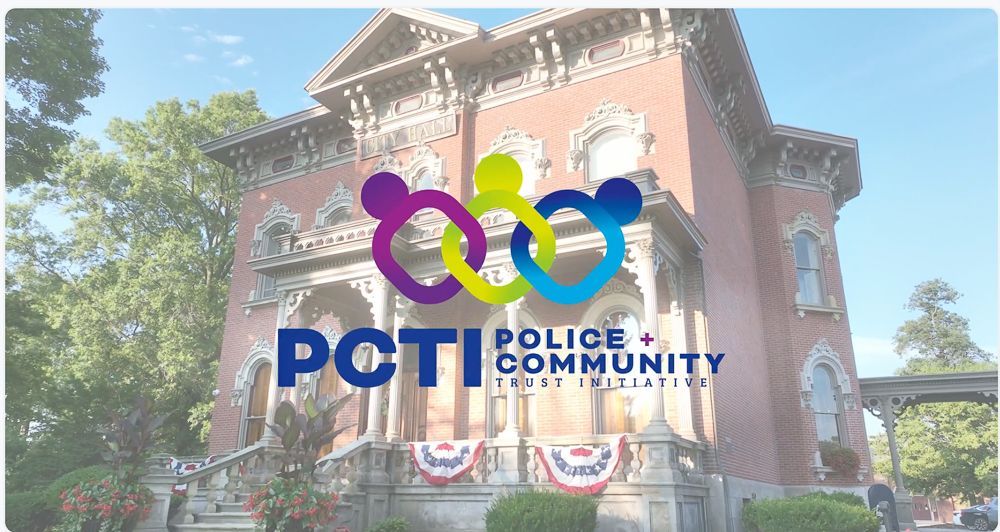
The D5 Group earned a Gold ADDY for the mini documentary created for Warren’s Police and Community Trust Initiative.

If you cannot explain it fast, you cannot control it.

A practical framework for nonprofit leaders facing tighter resources

Your marketing budget isn’t overhead. It’s how your mission grows.

Thirty years of impact, told by the people who made it happen

Most local marketing advice is wrong. Learn what actually works for small businesses and nonprofits before wasting your next marketing dollar.